Through a glass darkly

Gratitude, and Desert Places

We are living in unprecedented times, and none of us know quite how things will end. One of the unwanted side-effects of the current pandemic is that too many people are wanting to offer us their interpretation of events. The most bizarre, I suppose, is the unspeakable Trump who seems to imagine that the COVID-19 virus is a sinister weapon developed by the Chinese in order to undermine his business interests and to sabotage his chances of re-election as president. A little less far-fetched is the conviction that the virus is God’s judgement on a world that has turned away from his ways. I am as happy as anyone to denounce a culture that is too often characterised by anxiety, self-obsession, and greed. But, as Richard Holloway told us decades ago, when similar suggestions were made about the AIDS virus, the idea of God as a bomb-throwing terrorist simply will not do.

Here are two things that bear in on me in week two of the UK lock-down.

Gratitude

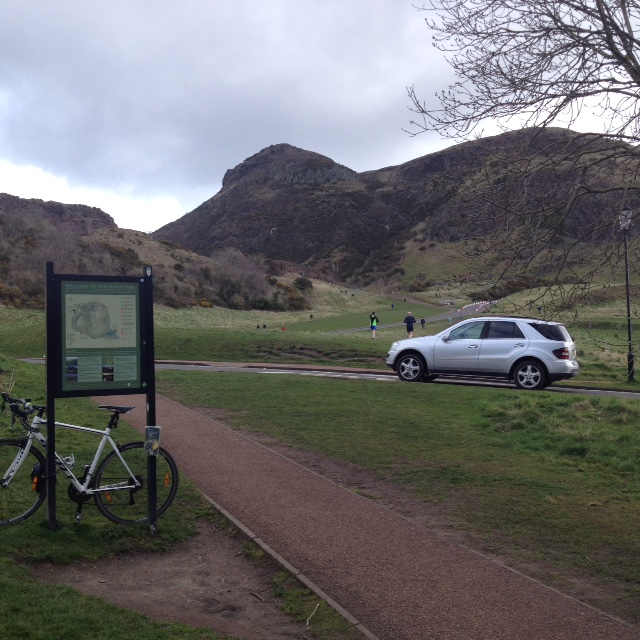
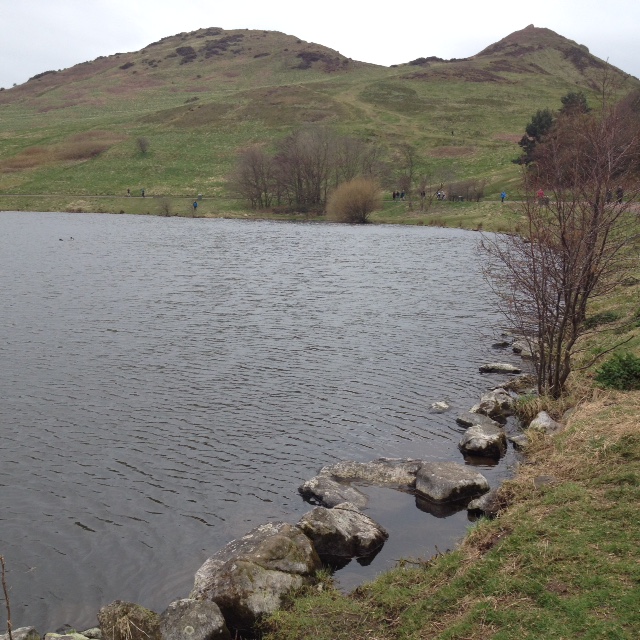
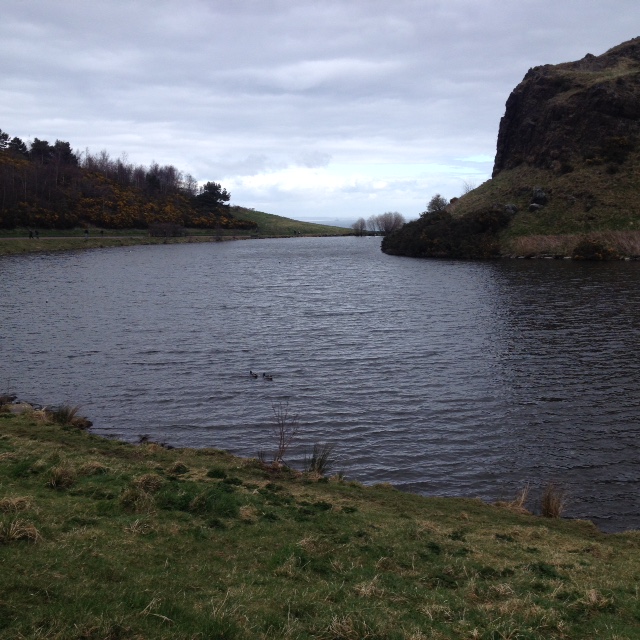
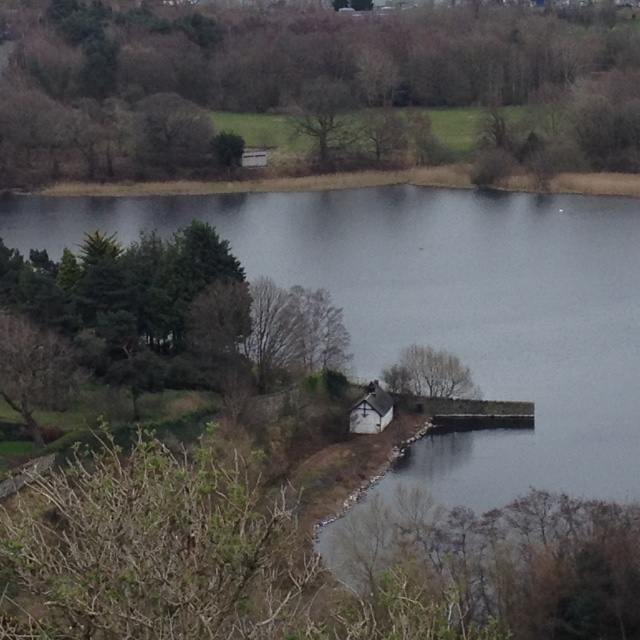
The late Oliver Sacks wrote a little book before he died in which he urged us to develop ‘an attitude of gratitude’. All prayer starts with  thanksgiving. So, I am grateful for life in all its fullness; for eyes to see, and ears to hear, and legs that work – in spite of the passing years. At a time when our movements are necessarily restricted I am grateful for a comfortable house on the south side of Edinburgh, and for a lovely garden. I am grateful to be able to walk out of the house into the park and to walk round Arthur’s Seat with stunning views; first over the Forth looking out towards North Berwick Law and the Bass Rock; and then over Duddingston village and Duddingston Loch towards the Lammermuir hills; and then finally over the city of Edinburgh itself. It takes me an hour and twenty minutes to walk round the hill. And when I get home I’m grateful that Sainsbury’s self-delivery continues to operate through the crisis. And I’m grateful that I have more books that I will be able to read even if the lock-down lasts for a year. Currently I’m reading Peter Frankopan’s The Silk Roads, a long overdue corrective to my western-European-centric view of history. And I’m reading Leap over a Wall, the late [great] Eugene Peterson’s 1997 book on the life of King David.

Desert places

Peterson writes about David’s years on the run, living on the edge of the desert, fleeing from the murderous intent of King Saul. He writes specifically about David’s time at En-Gedi, a remote spring on the edge of the wilderness above the Dead Sea. We were privileged to visit the Holy Land back in 2013, and were able to take in Masada and En-Gedi, and the Dead Sea on a day trip out from Jerusalem. The wilderness for David was frightening, a place of danger; but it was also a place of truth and a place of beauty. A place where he learnt more about himself.

There are two other wilderness stories in the Bible: the forty years that Moses led the Israelites through the desert, during which they were trained to discern between idols and the living God; and the forty days that Jesus fasted in the Judean wilderness, during which he learnt more about the true nature of his Messiahship. Deserts are both a physical reality and a spiritual metaphor. For many of us the COVID-19 pandemic is a wilderness experience. We feel cut off from family and friends. We are not clear about the future path. We are aware of our limited, human resources. For David the wilderness was a life-enhancing experience. A time when he learned a new dependence on God. “Take pity on me, God, take pity on me, for in you I take refuge … until the destruction is past.” [Psalm 57: 1] My prayer is that this difficult time, this desert experience, will enable us to look differently at the world around us. And we pray that for world leaders too.

Through a glass darkly

Shock ! Horror ! Retired vicar [b]logs on

As we move through the second week of the UK lock-down in response to the COVAID-19 virus, the world is moving into uncharted waters. We don’t know know what will happen next. We don’t know whether the awful scenes broadcast in recent days from Italy and Spain will be repeated here in the UK. Blustering Boris rehearses his Churchill impressions day by day on the telly, but he is not a man who inspires trust. I noticed a Guardian journalist yesterday looked nostalgically back to the days of John Major and Gordon Brown. Or even the days of Theresa May !

Here in Scotland shops and churches, pubs and gyms are all closed. There are very few people out on the streets. Even Arthur’s Seat, the volcanic plug which I can usually see from our windows on the south side of Edinburgh, has retreated behind a great mist. I walked round the hill earlier today, making a wide berth round other walkers, and reacting badly to joggers with plugs in both ears invading my personal space.

In this uncomfortable situation, I am grateful for a comfortable house and an attractive garden; for a loving wife; for Sainsbury’s delivery service bringing us food to eat [we seem to be old enough to qualify for preferential treatment]; and for enough books to read for the next several months. A blog for me is uncharted territory too. If anyone is reading this [aka Sid and Doris Bonkers as Private Eye used to say of the Neasden United supporters], then the likely threads will be a lament for our sadly diminished European links, some reflections on stuff that I am reading, usually history and travel, and some theology, and perhaps a few mordant comments on the current political scene. The little writing that I have done in the past has either been letters to family and friends or assembling church magazines and newsletters. I guess that what I write here will fall somewhere between the two. And so, as Doris Day used to sing many decades ago, Que sera, sera

Introduce Yourself (Example Post)

This is an example post, originally published as part of Blogging University. Enroll in one of our ten programs, and start your blog right.

You’re going to publish a post today. Don’t worry about how your blog looks. Don’t worry if you haven’t given it a name yet, or you’re feeling overwhelmed. Just click the “New Post” button, and tell us why you’re here.

Why do this?

  • Because it gives new readers context. What are you about? Why should they read your blog?
  • Because it will help you focus your own ideas about your blog and what you’d like to do with it.

The post can be short or long, a personal intro to your life or a bloggy mission statement, a manifesto for the future or a simple outline of your the types of things you hope to publish.

To help you get started, here are a few questions:

  • Why are you blogging publicly, rather than keeping a personal journal?
  • What topics do you think you’ll write about?
  • Who would you love to connect with via your blog?
  • If you blog successfully throughout the next year, what would you hope to have accomplished?

You’re not locked into any of this; one of the wonderful things about blogs is how they constantly evolve as we learn, grow, and interact with one another — but it’s good to know where and why you started, and articulating your goals may just give you a few other post ideas.

Can’t think how to get started? Just write the first thing that pops into your head. Anne Lamott, author of a book on writing we love, says that you need to give yourself permission to write a “crappy first draft”. Anne makes a great point — just start writing, and worry about editing it later.

When you’re ready to publish, give your post three to five tags that describe your blog’s focus — writing, photography, fiction, parenting, food, cars, movies, sports, whatever. These tags will help others who care about your topics find you in the Reader. Make sure one of the tags is “zerotohero,” so other new bloggers can find you, too.

Introduce Yourself (Example Post)

This is an example post, originally published as part of Blogging University. Enroll in one of our ten programs, and start your blog right.

You’re going to publish a post today. Don’t worry about how your blog looks. Don’t worry if you haven’t given it a name yet, or you’re feeling overwhelmed. Just click the “New Post” button, and tell us why you’re here.

Why do this?

  • Because it gives new readers context. What are you about? Why should they read your blog?
  • Because it will help you focus your own ideas about your blog and what you’d like to do with it.

The post can be short or long, a personal intro to your life or a bloggy mission statement, a manifesto for the future or a simple outline of your the types of things you hope to publish.

To help you get started, here are a few questions:

  • Why are you blogging publicly, rather than keeping a personal journal?
  • What topics do you think you’ll write about?
  • Who would you love to connect with via your blog?
  • If you blog successfully throughout the next year, what would you hope to have accomplished?

You’re not locked into any of this; one of the wonderful things about blogs is how they constantly evolve as we learn, grow, and interact with one another — but it’s good to know where and why you started, and articulating your goals may just give you a few other post ideas.

Can’t think how to get started? Just write the first thing that pops into your head. Anne Lamott, author of a book on writing we love, says that you need to give yourself permission to write a “crappy first draft”. Anne makes a great point — just start writing, and worry about editing it later.

When you’re ready to publish, give your post three to five tags that describe your blog’s focus — writing, photography, fiction, parenting, food, cars, movies, sports, whatever. These tags will help others who care about your topics find you in the Reader. Make sure one of the tags is “zerotohero,” so other new bloggers can find you, too.

Introduce Yourself (Example Post)

This is an example post, originally published as part of Blogging University. Enroll in one of our ten programs, and start your blog right.

You’re going to publish a post today. Don’t worry about how your blog looks. Don’t worry if you haven’t given it a name yet, or you’re feeling overwhelmed. Just click the “New Post” button, and tell us why you’re here.

Why do this?

  • Because it gives new readers context. What are you about? Why should they read your blog?
  • Because it will help you focus your own ideas about your blog and what you’d like to do with it.

The post can be short or long, a personal intro to your life or a bloggy mission statement, a manifesto for the future or a simple outline of your the types of things you hope to publish.

To help you get started, here are a few questions:

  • Why are you blogging publicly, rather than keeping a personal journal?
  • What topics do you think you’ll write about?
  • Who would you love to connect with via your blog?
  • If you blog successfully throughout the next year, what would you hope to have accomplished?

You’re not locked into any of this; one of the wonderful things about blogs is how they constantly evolve as we learn, grow, and interact with one another — but it’s good to know where and why you started, and articulating your goals may just give you a few other post ideas.

Can’t think how to get started? Just write the first thing that pops into your head. Anne Lamott, author of a book on writing we love, says that you need to give yourself permission to write a “crappy first draft”. Anne makes a great point — just start writing, and worry about editing it later.

When you’re ready to publish, give your post three to five tags that describe your blog’s focus — writing, photography, fiction, parenting, food, cars, movies, sports, whatever. These tags will help others who care about your topics find you in the Reader. Make sure one of the tags is “zerotohero,” so other new bloggers can find you, too.